
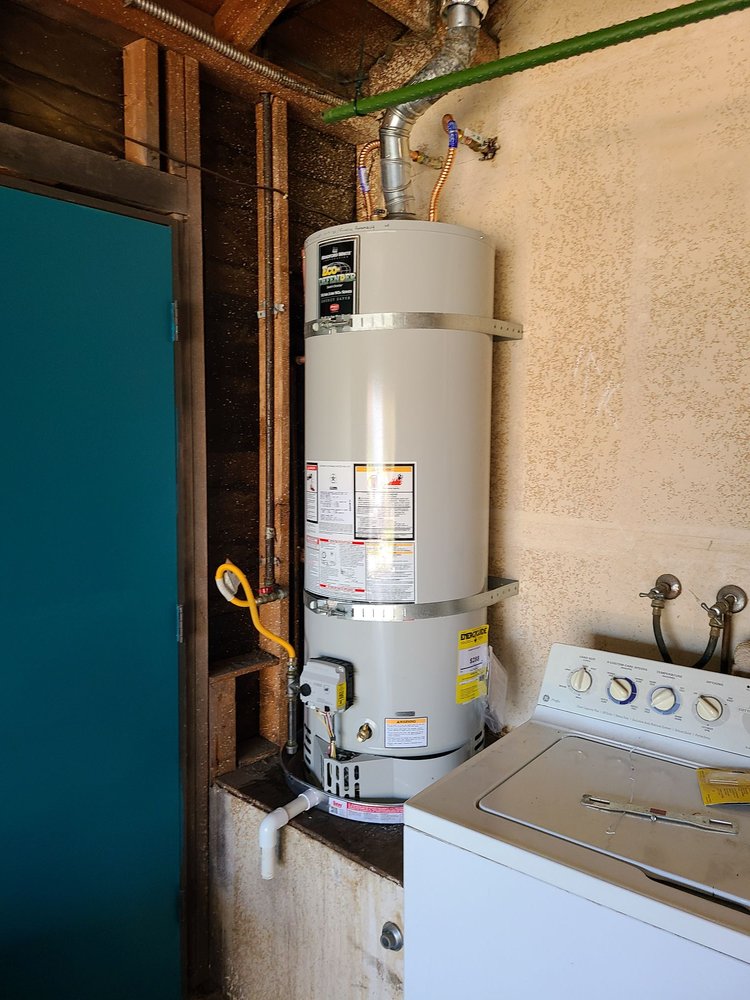
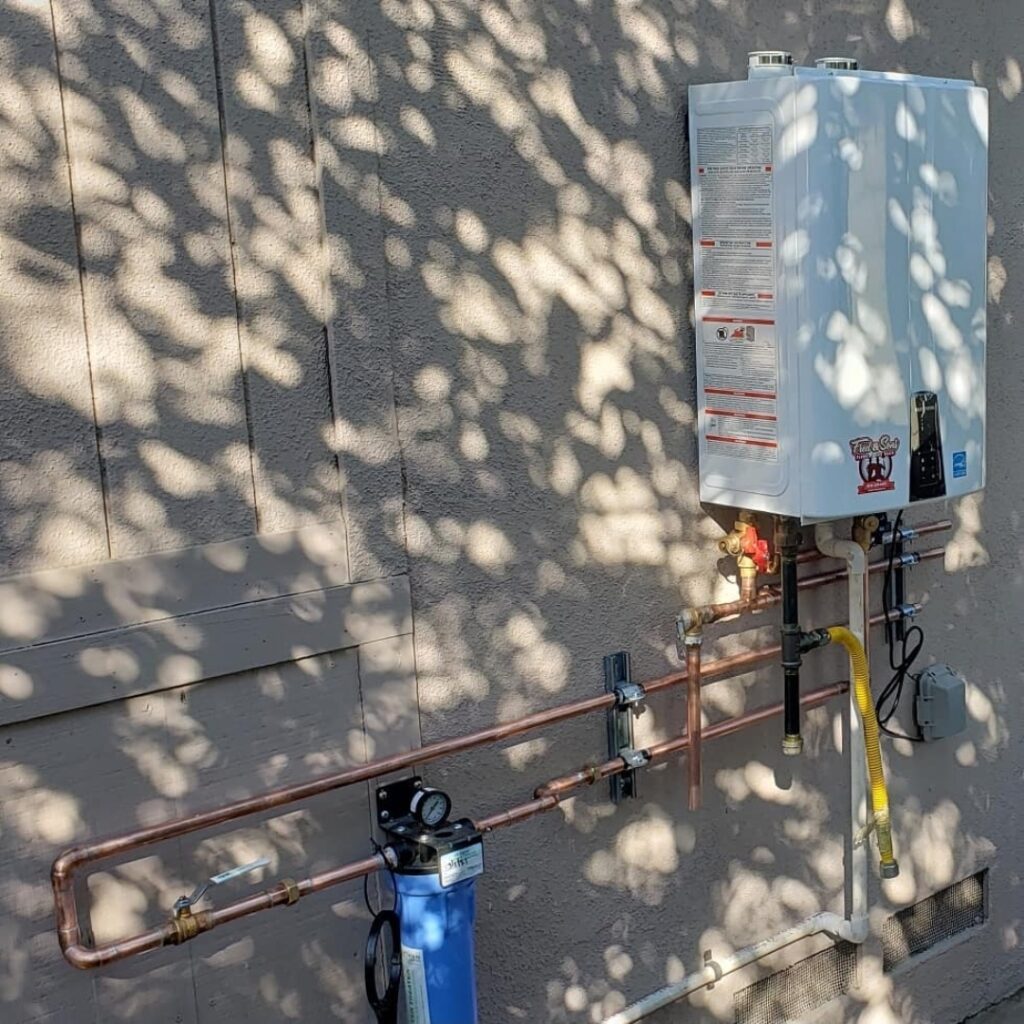
Gas and electric water heaters typically last 10-15 years, even with regular maintenance. However, when they break down, they can cause significant inconveniences and unexpected expenses. A malfunctioning water heater tank can lead to leaks, a lack of hot water, or unusual noises.
Common causes of water heater failure include:
- Leaking near supply lines can damage surrounding flooring and drywall while also leading to corrosion and failure.
- Sediment buildup – Over time, minerals accumulate at the bottom of the tank, causing inefficiency and potential overheating.
- Internal rust – The anode rod inside the tank helps prevent rust, but once it wears out, corrosion can occur.
- High water pressure – Excessive pressure can damage the unit and even cause it to burst.
- Improper sizing – If your unit is too small for your home’s water supply, it can overwork itself and lead to an early breakdown.
If you notice any of the following, it’s time to call a professional:
- No hot water or fluctuating water temperature
- Strange noises from the tank (popping, hissing, rumbling, or humming) indicate sediment buildup or a faulty heating element.
- A leaking water heater tank – This may be due to a failing pressure relief valve or temperature pressure relief valve.
- Rusty or discolored water – This is often a sign of internal corrosion.
- Water heater failure after a power outage could indicate a malfunctioning gas control valve or another critical component.
If your gas water heater is making loud noises or has stopped working, do not attempt a DIY fix. Water heaters involve gas and electrical components that can be dangerous if incorrectly handled. Our expert technicians will diagnose, repair, or replace your water heater efficiently and cost-effectively.